







Updated: August 2026
As connected vehicles and AI-assisted operations continue to evolve, Artificial Empathy (AE) has become increasingly central to the conversation. Often referred to as emotional AI, affective computing, or human-centered AI, AE refers to the development of AI systems that can detect and respond to human emotions. As a push for AI automation continues to characterize technology innovations, we can see a recent initiative which centralizes emotional intelligence at the heart of AI development. But what does that mean to the transportation industry?
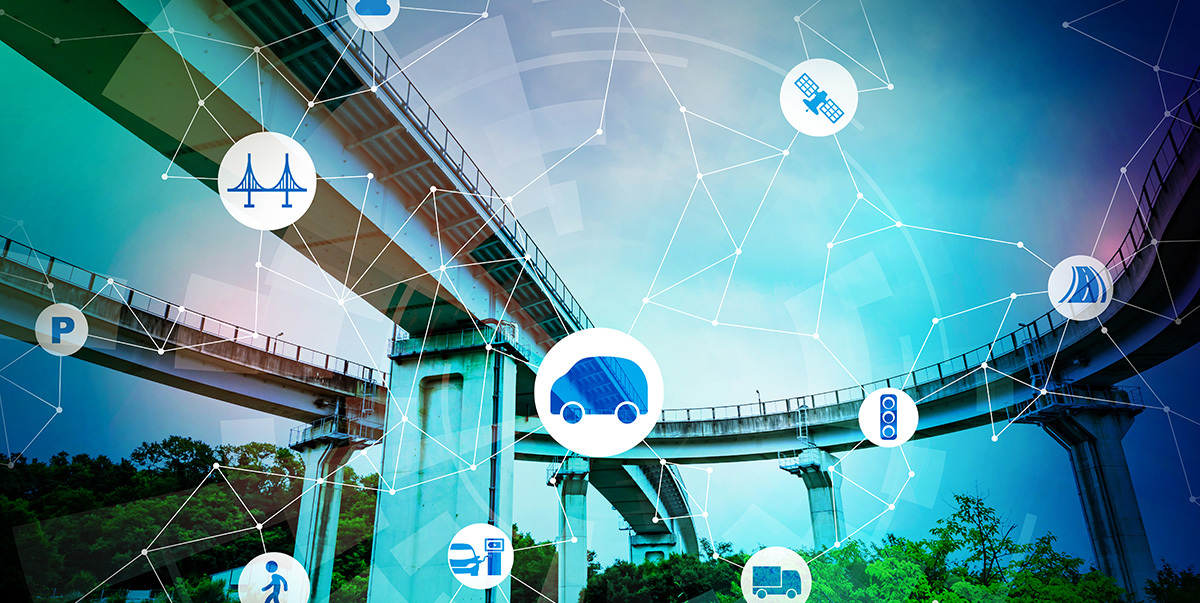
“Vehicle-to-everything” (V2X) describes a model in which a given vehicle can connect to any entity that may affect the vehicle and vice versa. V2X communication is based on WLAN technology and works between vehicles, creating a vehicular ad-hoc network as two V2X senders come within each other’s range. The WLAN network deemphasizes the reliance on vehicle-to-vehicle communication with the intention of improving safety for vehicles travelling across remote or areas with less developed infrastructure.
As a V2X model becomes a possible future, Empathy AI is at the center of prioritizing the safety and comfort of the human driver at the center of the vehicle’s design.
While much of the discussion around empathy AI focuses on passenger vehicles, the potential implications for commercial fleets are equally significant. Fleet operators are continually looking for ways to improve driver safety, reduce incident risk, and support driver wellbeing. AI-powered driver safety technology that can recognize signs of fatigue, distraction, or stress could eventually provide another layer of insight to help fleets create safer operating environments and proactively address potential safety concerns.
Safety Benefits of Empathy AI in Vehicles
An Empathy AI system embedded into a vehicle could potentially leverage heart monitoring, eye and head movement tracking, voice and breath monitoring, and infrared optics to detect incidents to target and improve:
- Driver Fatigue: Detecting signs of fatigue could help alert drivers before reduced alertness impacts reaction time or decision-making.
- Distracted Driving: Monitoring behavioral cues may help identify periods of distraction and encourage drivers to refocus on the road.
- Driver Intoxication: Future AI-assisted monitoring technologies could support broader safety programs by identifying behaviors associated with impairment.
- Medical incidents: Early recognition of unusual physiological indicators may help detect certain medical emergencies while a vehicle is in operation.
- Collision Prevention: By combining driver-condition monitoring with vehicle data, AI systems may be able to provide additional warnings when elevated risk is detected.
Looking for more modern insights to power you operations in the age of AI in fleet maintenance management? Grab your copy of the 2026 whitepaper, “Lessons from Fleet Maintenance Leaders” for free.