


Increase grocery operations profitability
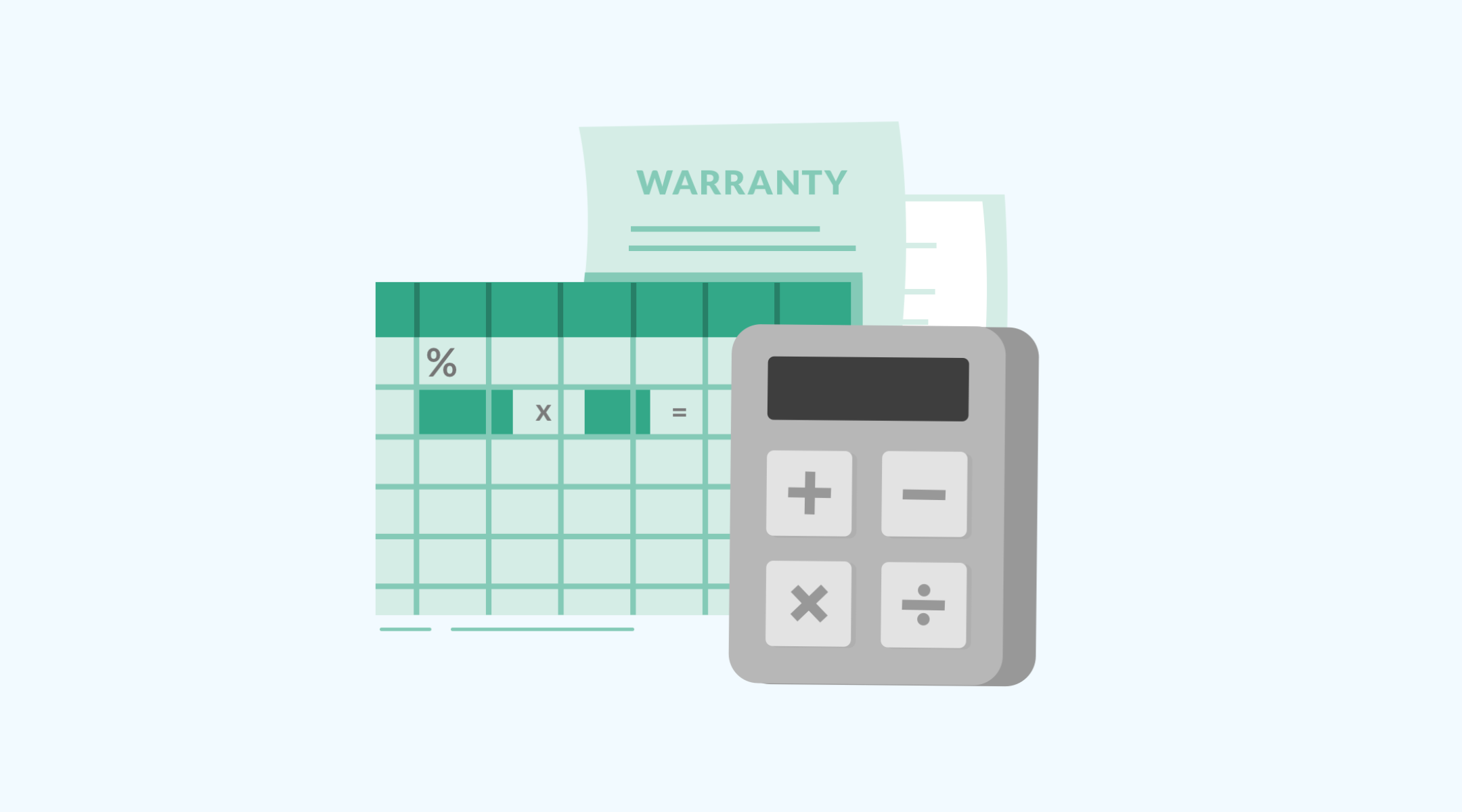
Capture all your supplier and service parts warranty.
BY SOLUTION
The Cetaris Ecosystem →FLAGSHIP PRODUCT
ADD-ON APPS
BY INDUSTRY
COMPANY
CUSTOMER SUPPORT
CONTACT
BLOG
View All BlogsRESOURCES
View All ResourcesFEATURED RESOURCES
BY DATA TYPE
View All Integrations →FEATURED PARTNERS

Cetaris helps grocery companies streamline their fleet and fixed asset maintenance operations.



Capture all your supplier and service parts warranty.

Forecast and reduce component failures improving asset uptime.

Keep your data safe with SOC II compliant maintenance software.

Document maintenance, save audit trails, and track compliance.
Track and manage maintenance scheduling for all types of assets from ovens, scales, conveyor belts, to reefers and trucks.
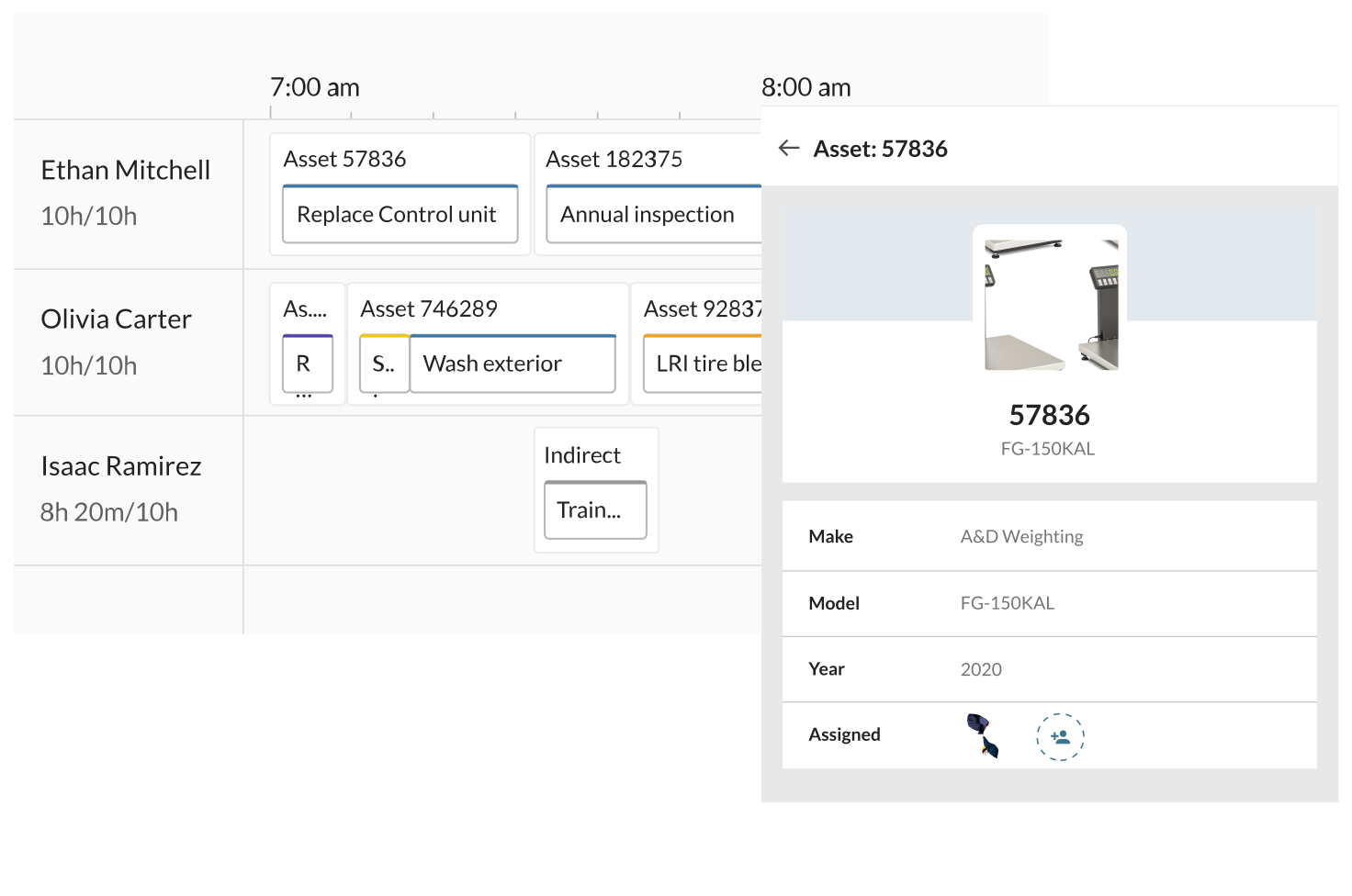
Integrate work orders with inventory systems.
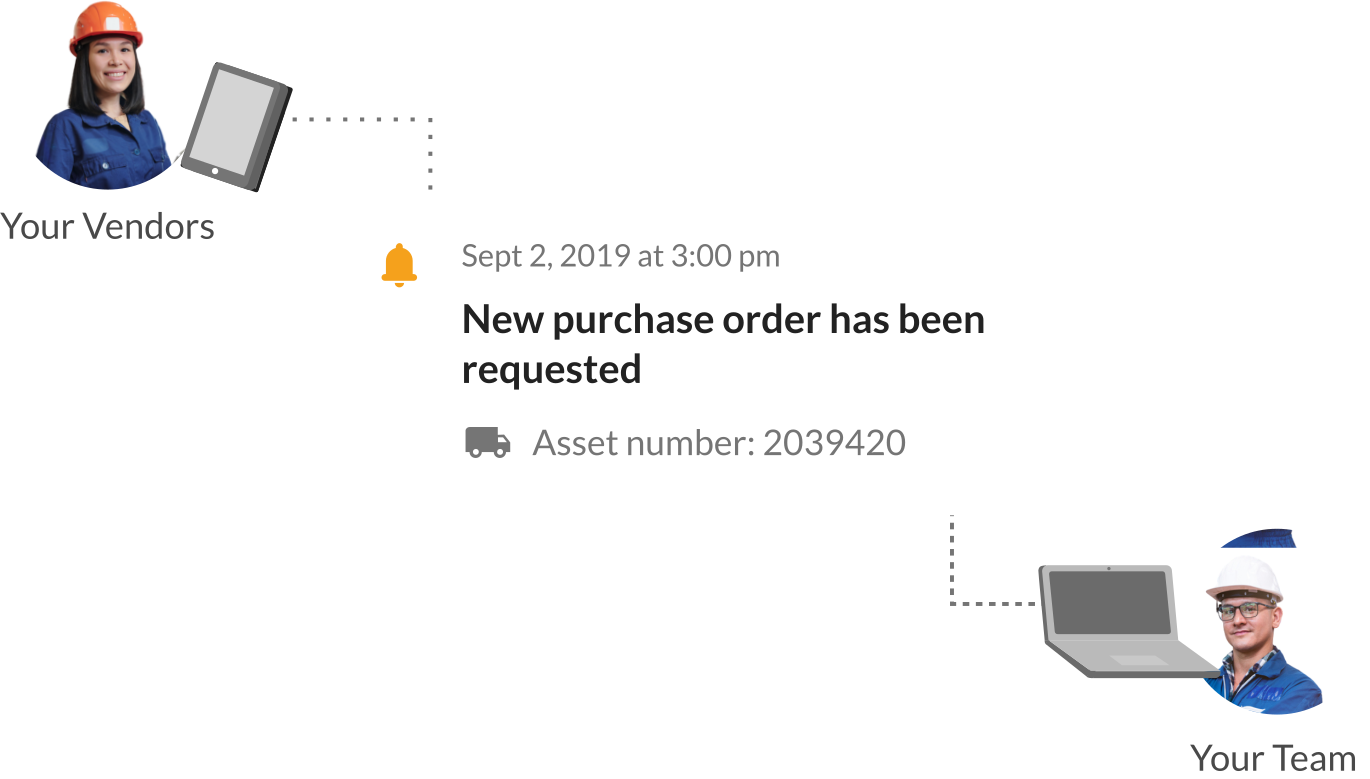
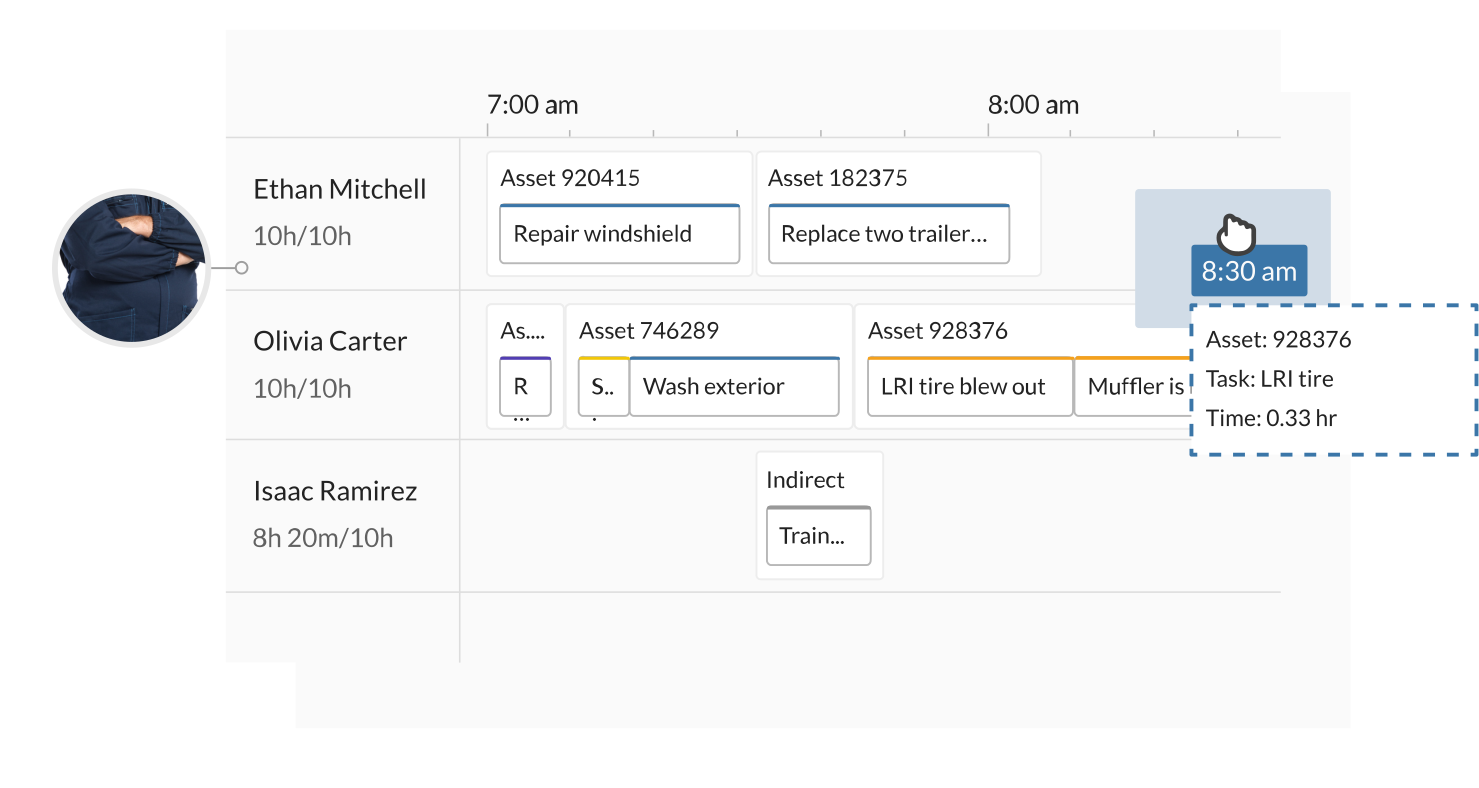
Streamline work order processes and repair scheduling.
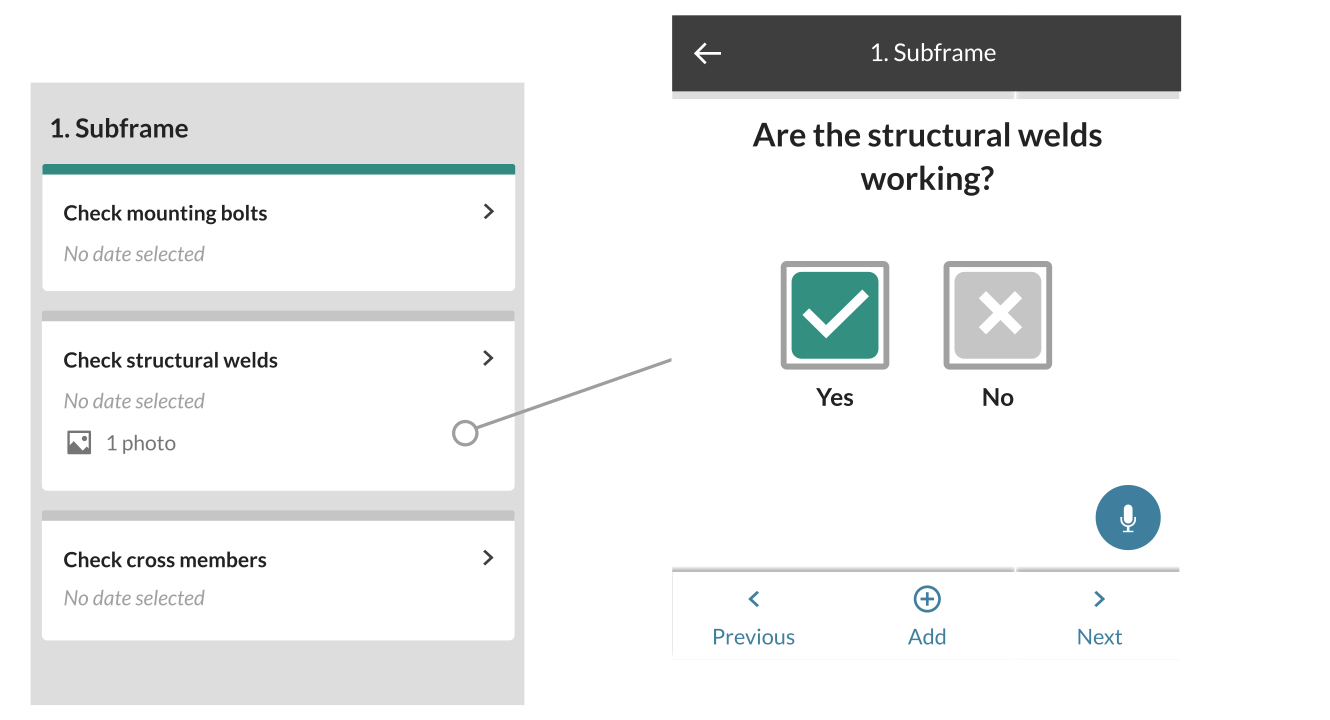
Ensure compliance by scheduling and documenting routine inspections.
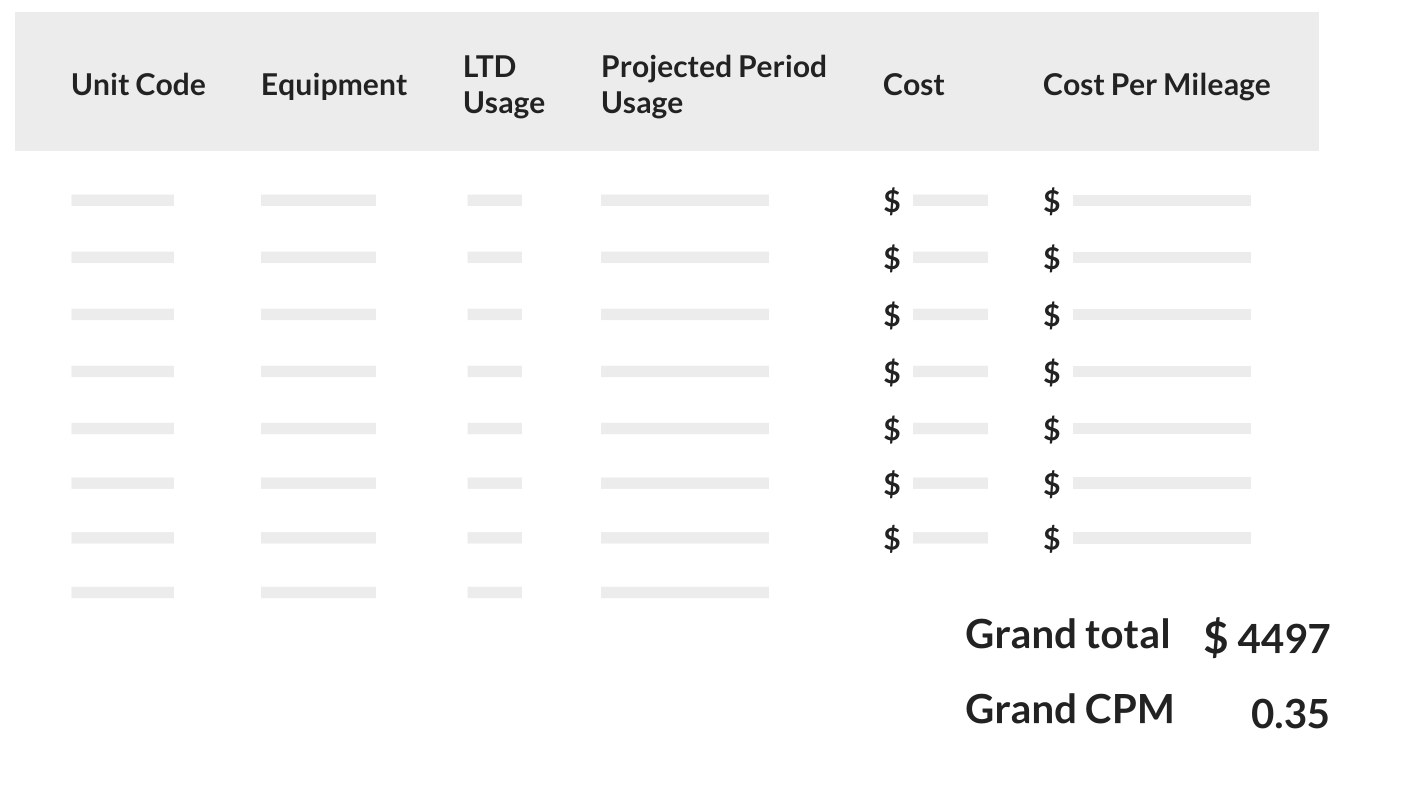
Create robust reports on equipment performance, maintenance history, and costs.
Cetaris maintenance software is best for grocery distribution fleets and facilities. Cetaris Fleet and Cetaris Fixed Asset can help grocery organizations improve asset uptime, manage work orders, track costs, and support compliance requirements.
Reducing downtime starts with preventive maintenance scheduling, tracking asset performance, forecasting component failures, and documenting repairs to identify recurring issues before they lead to breakdowns.
Preventive maintenance helps extend asset life, improve reliability, reduce unplanned repairs, and support consistent operation of critical equipment such as refrigeration systems, conveyors, ovens, and vehicles.
Maintenance teams can improve refrigeration reliability by scheduling inspections, tracking maintenance history, monitoring failure trends, and proactively servicing critical components before they fail.
Grocery organizations commonly track refrigeration units, HVAC systems, ovens, scales, conveyor systems, delivery trucks, reefers, and other facility and fleet assets that support daily operations.
Maintenance software can document inspections, create audit trails, track maintenance activities, and maintain records that support safety and regulatory compliance requirements.
A structured work order process helps teams prioritize repairs, standardize repair procedures, improve scheduling efficiency, and maintain visibility into maintenance activities across locations.
Integrating maintenance and inventory processes helps teams monitor stock levels, maintain appropriate parts inventory, and automate replenishment based on usage patterns.
Maintenance leaders often monitor asset uptime, work order completion rates, equipment reliability, maintenance costs, inventory usage, and inspection compliance performance.
Following preventive maintenance schedules, documenting repairs, tracking asset history, and addressing recurring equipment issues can help prolong asset life and reduce replacement costs.
Maintenance analytics can reveal equipment trends, identify high-cost assets, forecast maintenance needs, and help leaders make informed operational and capital planning decisions.
Integration helps ensure parts availability, reduces delays caused by stock shortages, improves planning accuracy, and streamlines maintenance workflows.
Asset reliability improves when organizations consistently perform preventive maintenance, analyze failure trends, standardize repairs, and monitor equipment performance over time.
Centralized maintenance management provides visibility into labor, parts, repairs, and asset performance, helping leaders identify cost-saving opportunities and standardize maintenance practices.
Organizations can prepare for audits by maintaining complete maintenance records, documenting inspections, tracking corrective actions, and retaining detailed compliance histories. Using a maintenance management software such as Cetaris can help organizations remain prepared for audits.