


Increase profitability
Quote your clients based on accurate asset operating cost data and warranty capture.
BY SOLUTION
The Cetaris Ecosystem →FLAGSHIP PRODUCT
ADD-ON APPS
BY INDUSTRY
COMPANY
CUSTOMER SUPPORT
CONTACT
BLOG
View All BlogsRESOURCES
View All ResourcesFEATURED RESOURCES
BY DATA TYPE
View All Integrations →FEATURED PARTNERS

Centralize work orders, preventive maintenance, inventory, warranties, and compliance reporting in one maintenance platform trusted by asset-intensive organizations.
Book a tailored 30-minute demo. No obligation.


Quote your clients based on accurate asset operating cost data and warranty capture.

Plan vehicle investment and decommissioning based on factual data.

Keep your data safe with SOC II compliant maintenance software.

Document maintenance, save audit trails, and track compliance.
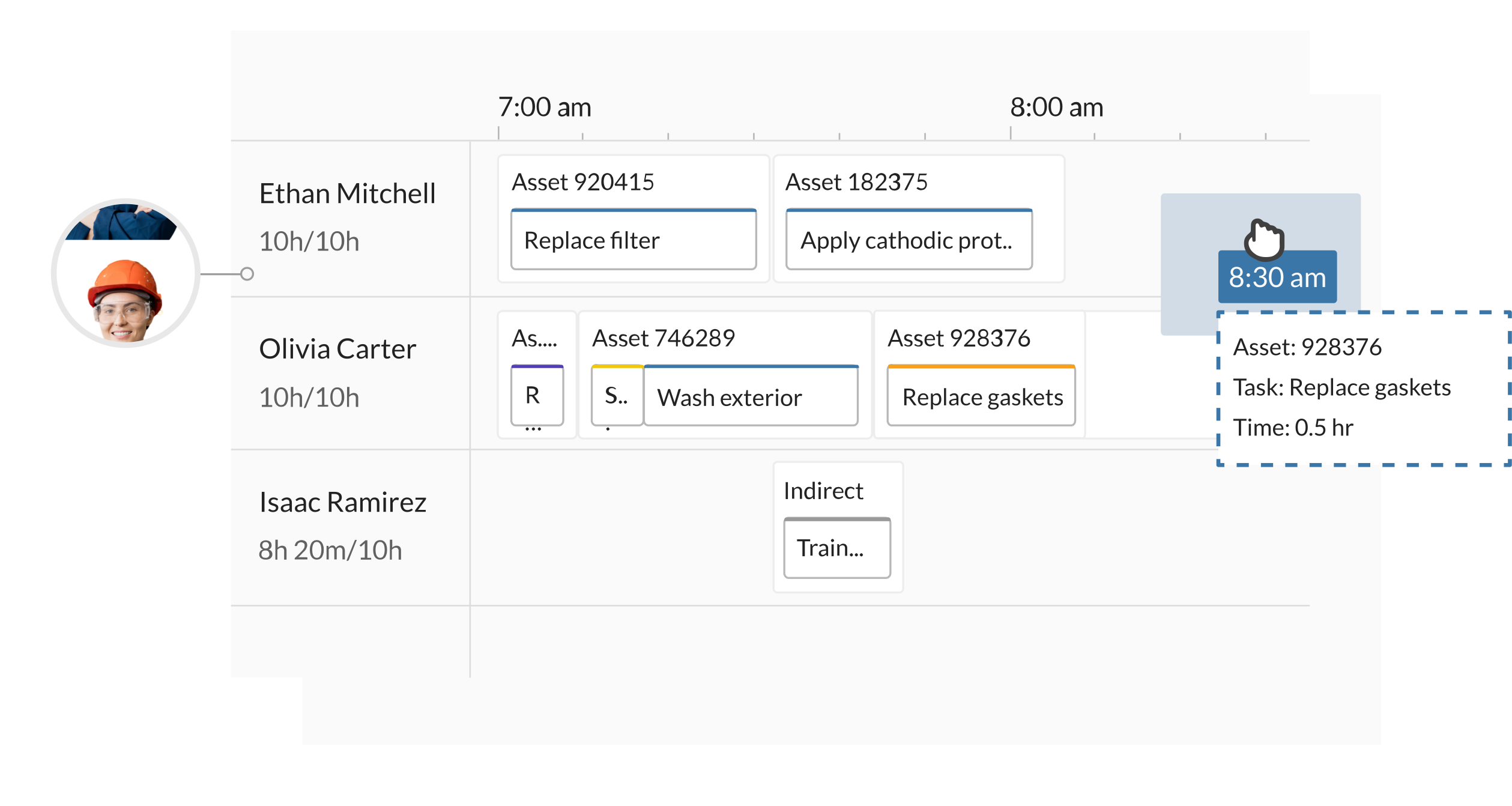
Make maintenance proactive by scheduling regular preventive maintenance tasks based on usage patterns, manufacturer recommendations, or regulatory requirements.
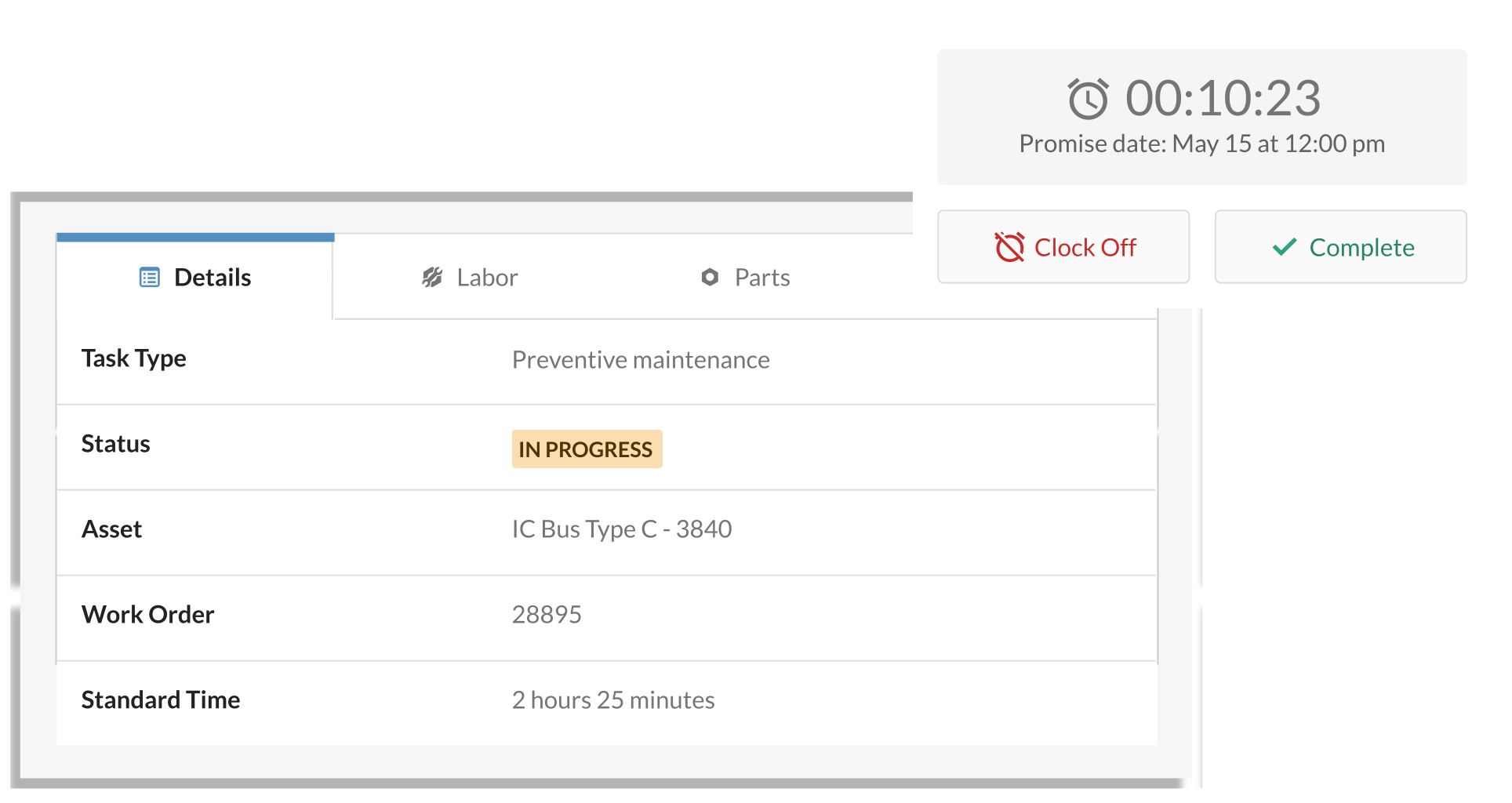
Create, assign, and track work orders.
Track the inventory of parts and supplies needed for vehicle maintenance and repair.
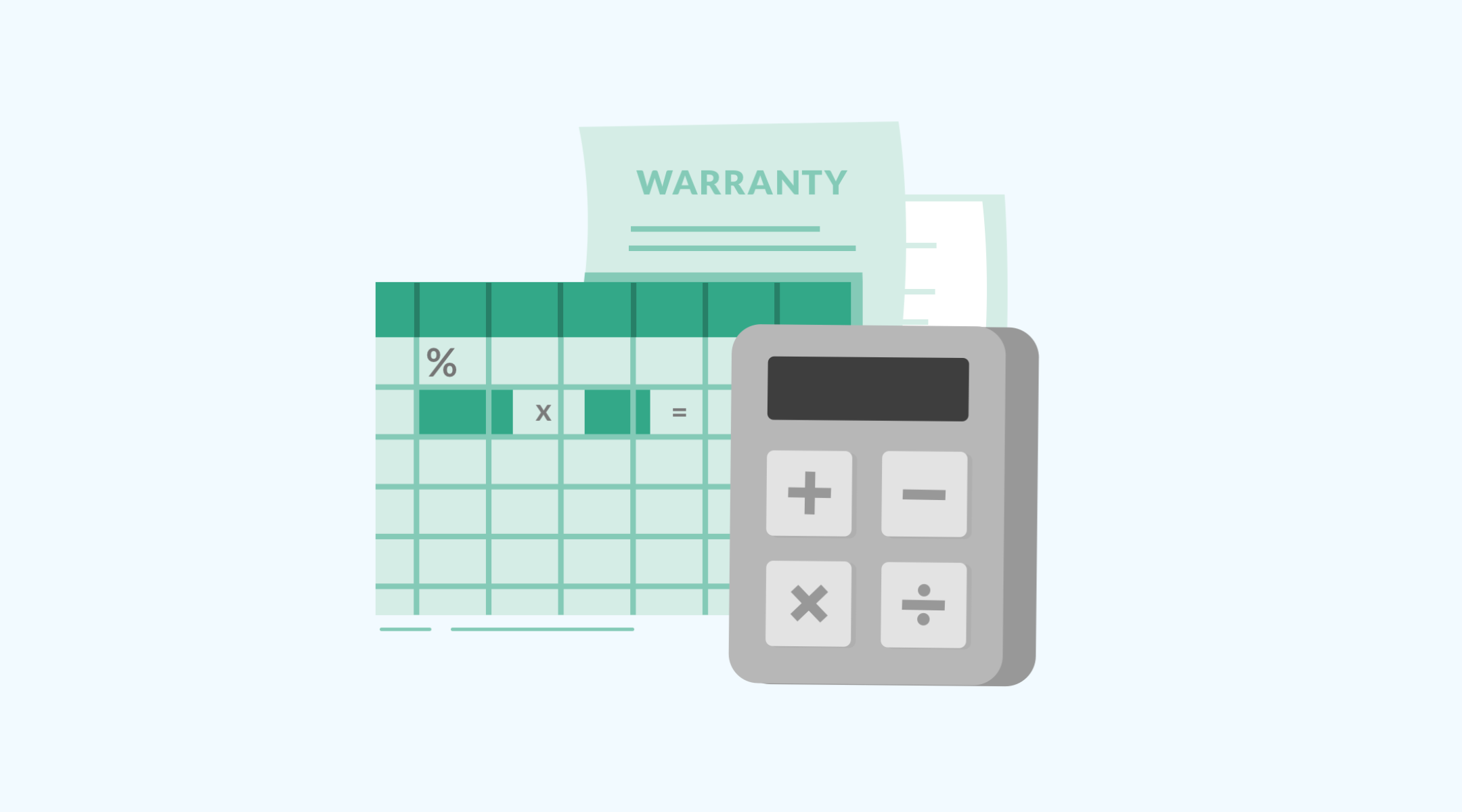
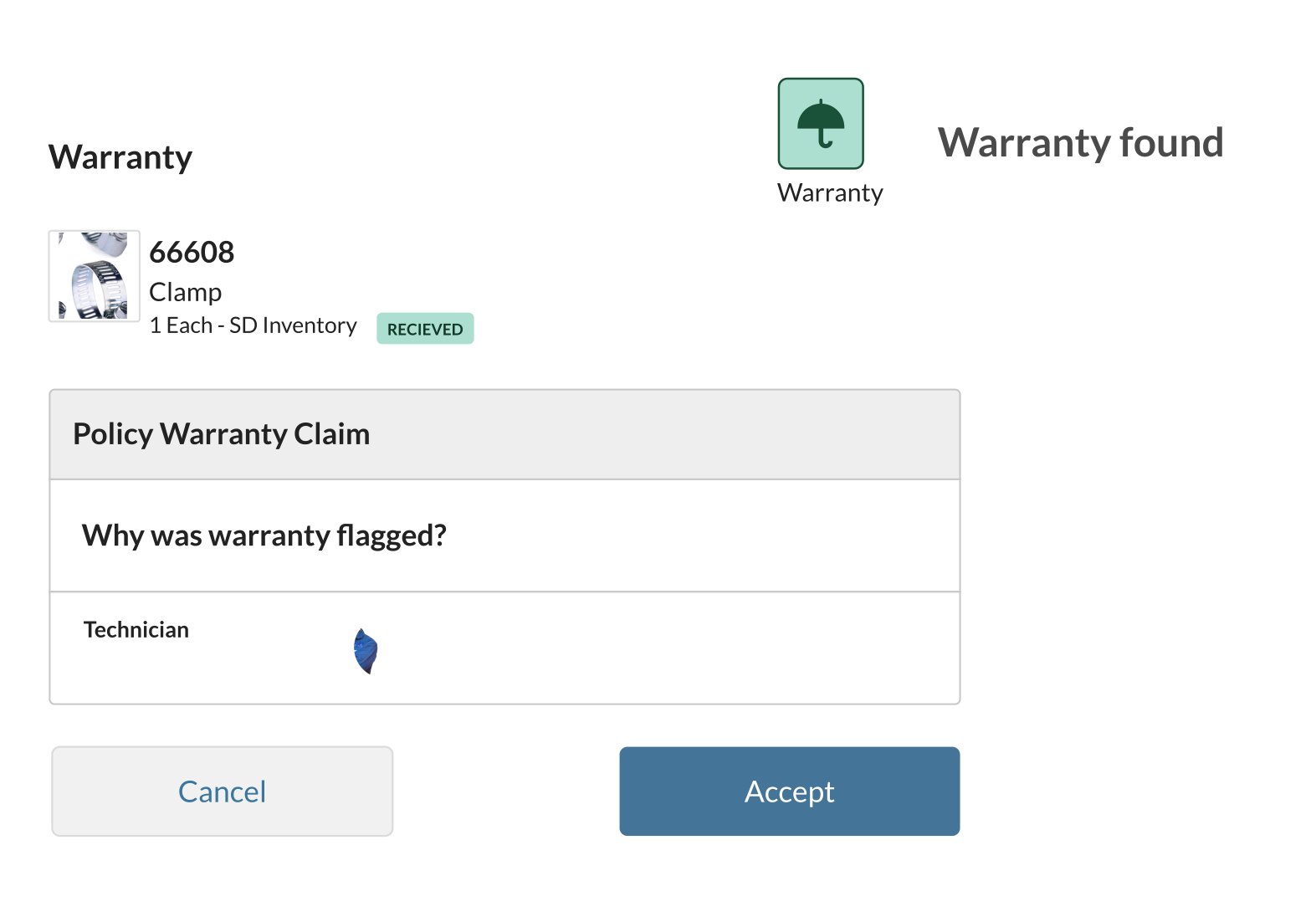
Centralize warranty agreements while tracking the right data to increase reimbursement.
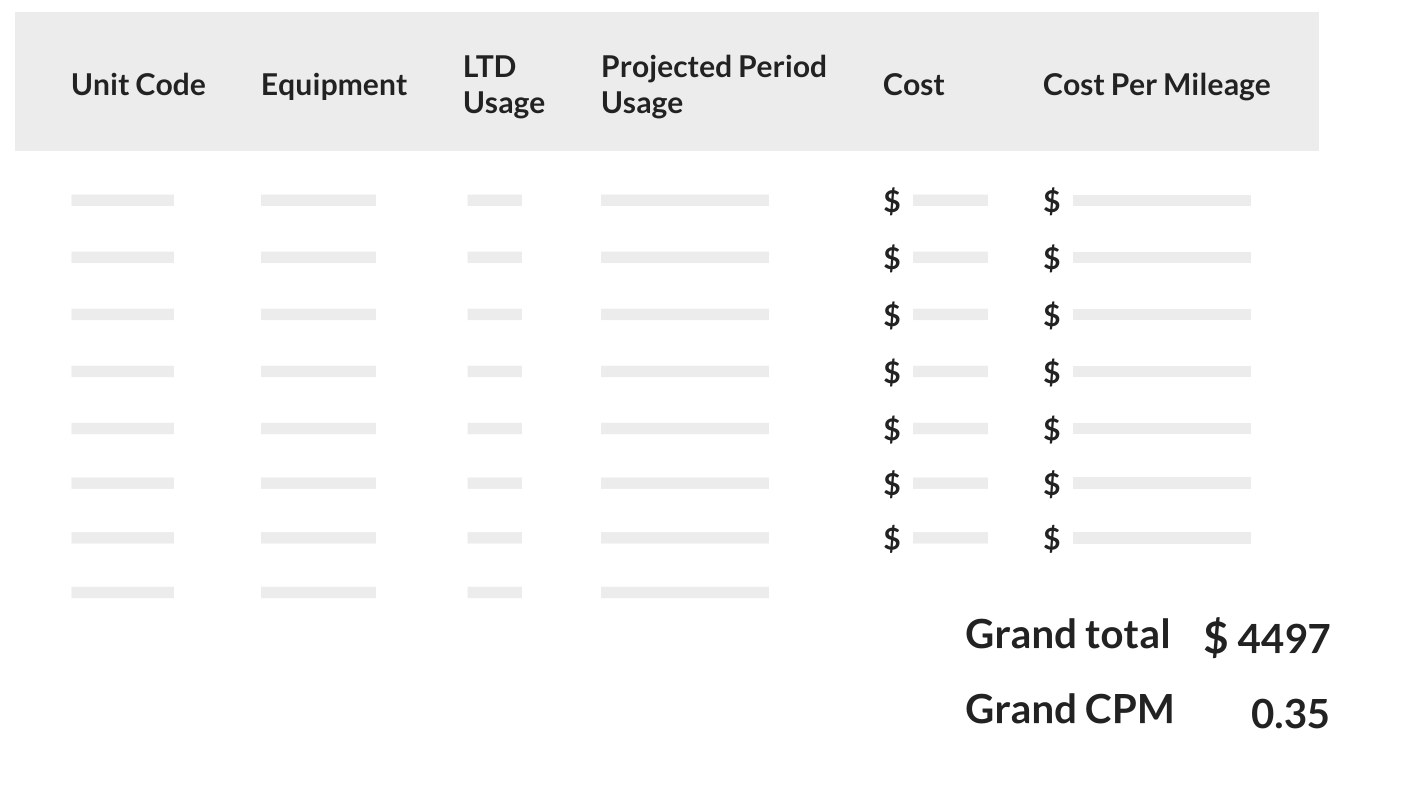
Generate reports and analytics on vehicle performance and maintenance history, which can help you identify areas for improvement and optimize your fleet management strategy.
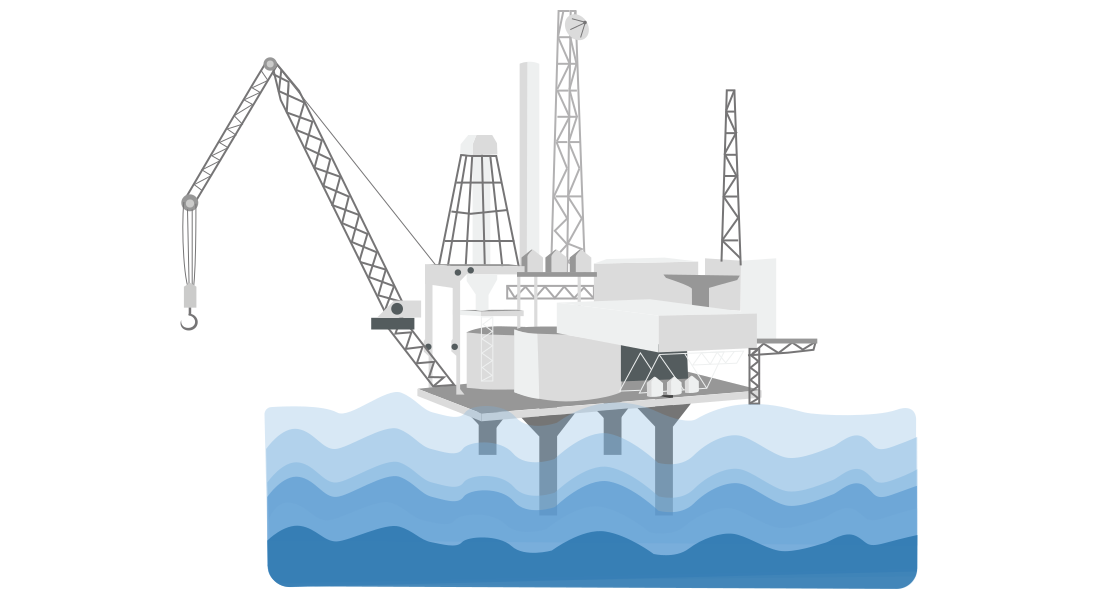
Oil and gas maintenance management software helps organizations plan, schedule, track, and analyze maintenance activities across vehicles, equipment, facilities, and infrastructure. It centralizes work orders, preventive maintenance, inventory, inspections, compliance records, and reporting to improve asset reliability and reduce operational downtime.
Maintenance software reduces unplanned downtime by automating preventive maintenance schedules, tracking asset health, maintaining complete service histories, and helping teams address issues before failures occur. This allows maintenance teams to make proactive decisions that improve asset availability and reliability.
Preventive maintenance helps extend equipment life, improve safety, reduce emergency repairs, lower maintenance costs, and support regulatory compliance. Regular service schedules based on usage, manufacturer recommendations, or regulatory requirements help prevent costly breakdowns.
A modern maintenance platform can track and manage a wide range of assets, including trucks, trailers, heavy equipment, compressors, pumps, generators, buildings, facilities, pipelines, and supporting infrastructure. Maintaining asset histories in one system improves visibility and decision-making.
Work order management systems streamline the creation, assignment, scheduling, and tracking of maintenance tasks. Maintenance teams can monitor repair progress, capture labor and parts usage, document completed work, and maintain a complete audit trail for every asset.
Maintenance software helps document inspections, repairs, preventive maintenance activities, and compliance-related work. Centralized records and audit trails make it easier to prepare for audits, demonstrate compliance, and maintain accurate maintenance documentation.
Key maintenance metrics include asset uptime, preventive maintenance compliance rates, maintenance costs, mean time between failures (MTBF), work order completion rates, inventory turnover, warranty recovery, and labor utilization. Monitoring these metrics helps identify improvement opportunities and support data-driven decisions.
Inventory management improves maintenance performance by ensuring critical parts are available when needed, reducing repair delays, minimizing stockouts, and helping organizations optimize inventory investment. Real-time inventory tracking supports more efficient maintenance planning.
Warranty recovery is the process of identifying repairs, parts, and labor that may be covered under warranty agreements. Maintenance software can flag eligible warranty claims, help document repairs, and increase reimbursement opportunities that might otherwise be missed.
Reporting and analytics provide visibility into maintenance trends, asset performance, operational costs, recurring failures, and workforce productivity. Maintenance leaders can use these insights to identify root causes, improve planning, and prioritize investments that deliver the highest return.
Maintenance leaders should evaluate software based on preventive maintenance capabilities, work order management, inventory tracking, warranty management, compliance reporting, analytics, scalability, security, and ease of use. The ability to centralize maintenance data across multiple asset types is also important.
Yes. Maintenance platforms that capture comprehensive asset and service history can support predictive maintenance initiatives by helping organizations identify performance patterns, recurring failures, and future maintenance requirements through advanced analytics.
Maintenance software helps reduce costs by minimizing unplanned downtime, improving preventive maintenance compliance, optimizing inventory levels, capturing warranty reimbursements, extending asset life, and providing better visibility into maintenance spending.
Maintenance leaders can evaluate ROI through reductions in downtime, lower repair costs, improved technician productivity, increased warranty recovery, longer asset life, stronger compliance performance, and more informed capital planning decisions.
Maintenance software provides a complete history of asset performance, maintenance activities, costs, and utilization. This information supports repair-versus-replace decisions, capital budgeting, asset replacement planning, and long-term lifecycle optimization.